Entrepreneurs are Everywhere
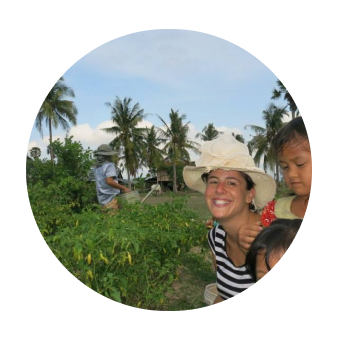
iDE trains farm business advisors – local entrepreneurs who work with small-scale farmers. Advisors sell seeds, irrigation technology and connect farmers to markets where they can sell their produce.
Just one of the ways your support creates new income for poor, rural families.
One entrepreneur can change their community and millions can change the world.
Mission
iDE’s mission is to create income and livelihood opportunities for poor, rural households. To date, iDE teams have helped 40 million people in developing countries around the world.
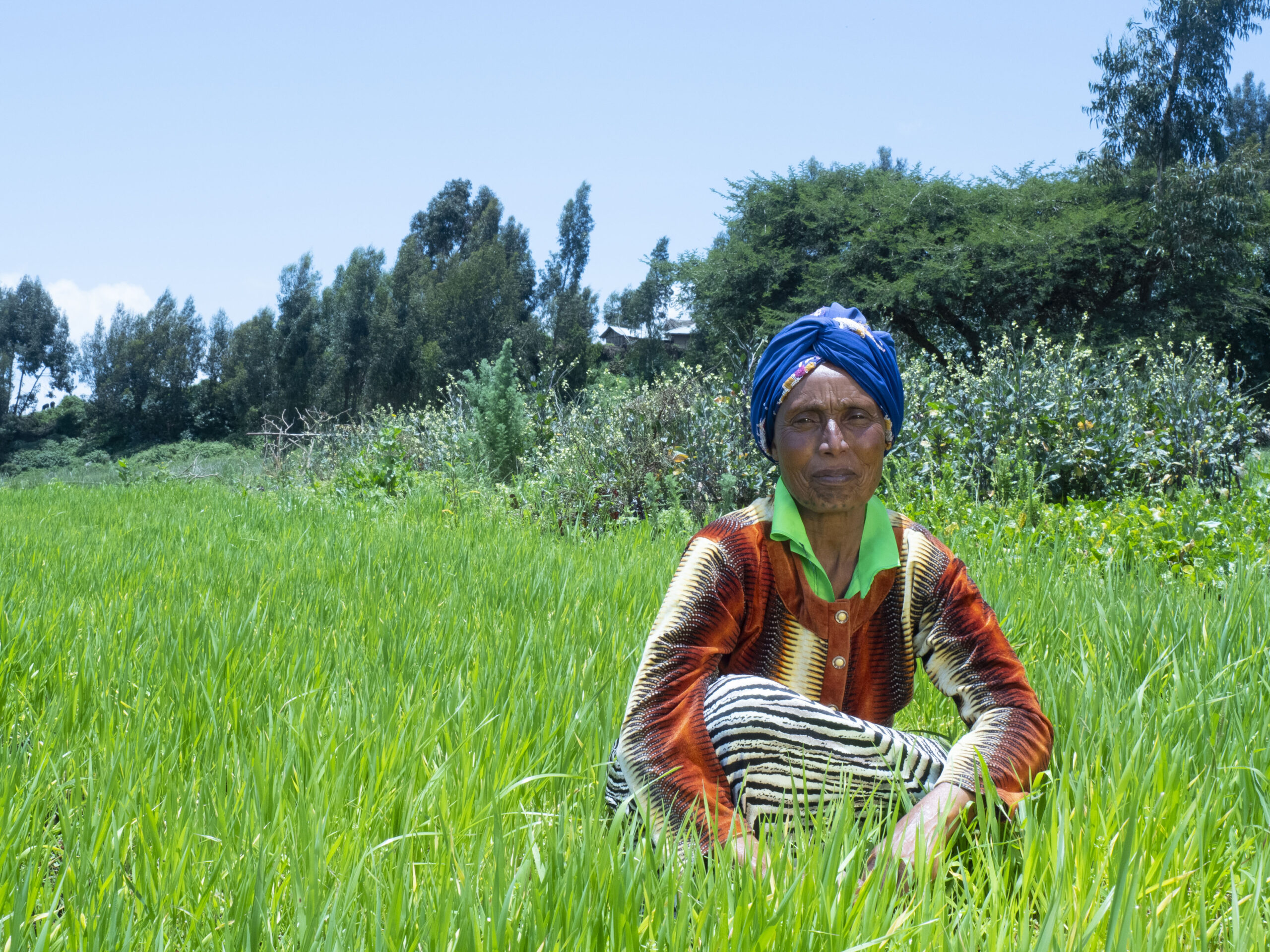
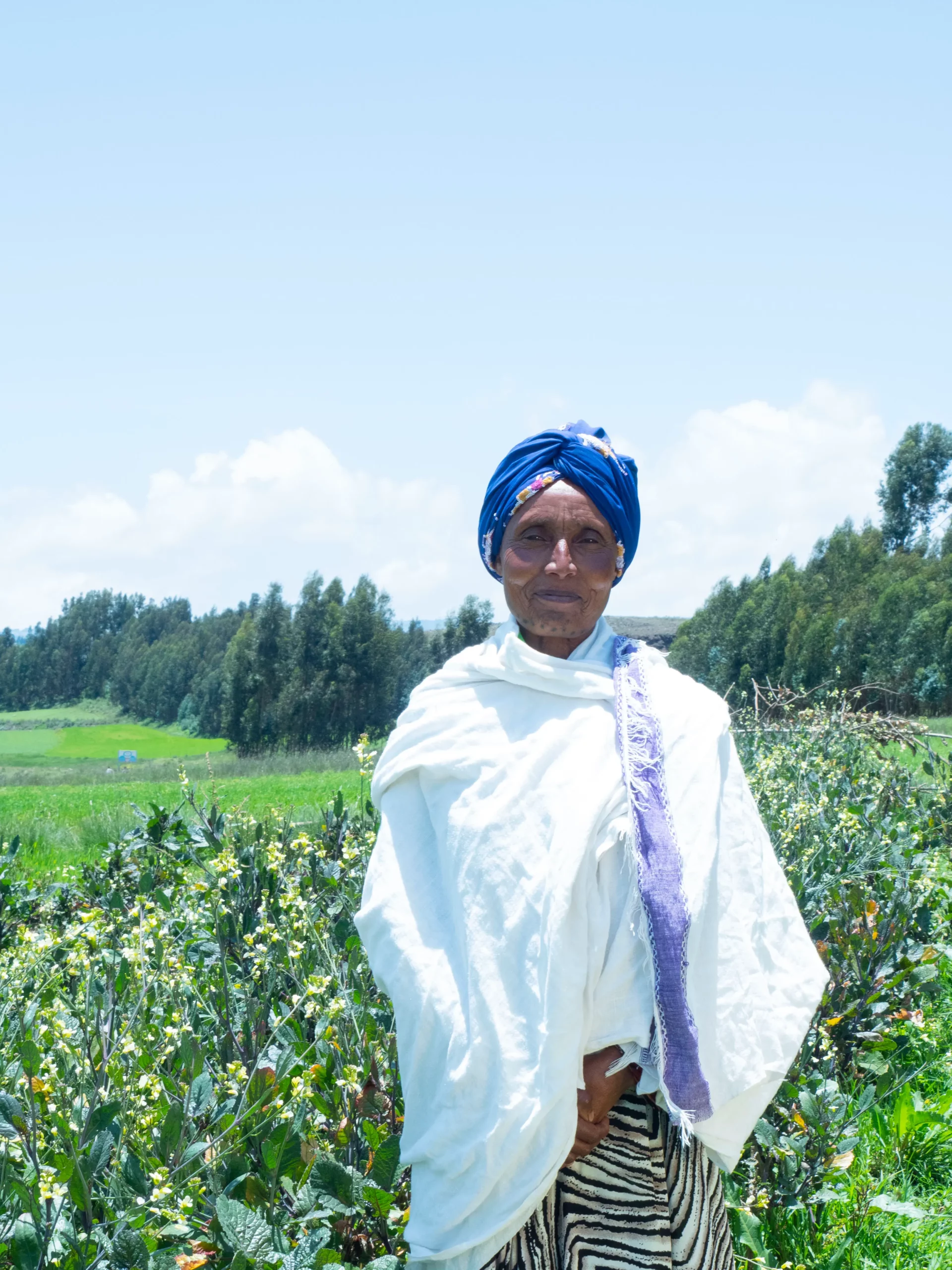
Beletu Bacha is a Role Model
“This change inspired me to transfer the knowledge and experience I got to other farmers in my community”
Beletu Bacha
Kimbibit, Ethiopia
Beletu Bacha is a role model for her children, and also for other women in her community in rural Ethiopia. As a single mother, she struggled in past growing seasons to generate enough income to sustain her family for the year, and could not afford school fees for her children.
After joining a Women’s Economic Group, Beletu received training and gained access to improved inputs and technologies. In addition to improving her wheat yields with better seeds and inputs, she started growing kale and other vegetables that fetch good prices in the market. She now has a more consistent income that she can reinvest in her business and household.
With a small opportunity, entrepreneurs like Beletu are able to transform not only their own situation, but also create new opportunities for others in their communities.
Harnessing the Power of Business
• Start with People: To end poverty, we start by listening to those experiencing it. They are the world’s most discerning and under- served customers.
• Design to Context: Using their insights, we work with local businesses to create the products and services needed to improve quality of life and increase incomes.
• Power Entrepreneurs: By building sustainable markets for desirable, affordable products and services, families can invest in their health and businesses, creating a cycle of greater prosperity.
• Measure Results: We take results seriously. Rigorous measurement gives us new insights to keep improving and confidence in the impact of your support.
Agriculture
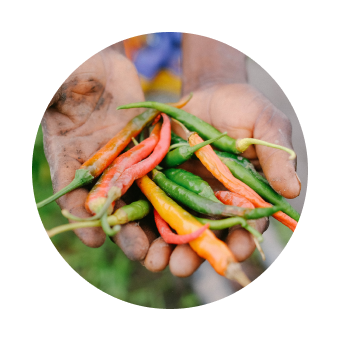
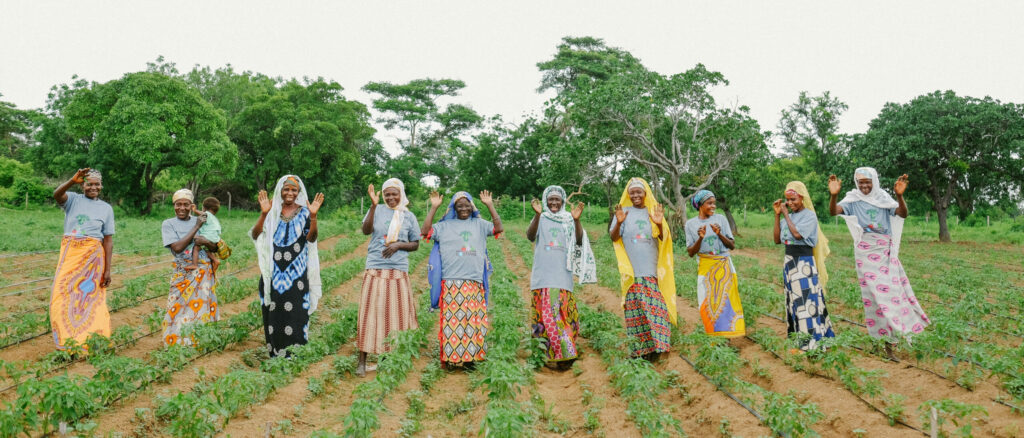
Small-scale farmers grow 80% of the food available in rural areas but often live in poverty. With your support, we help farmers increase their incomes by ensuring they have access to markets, high-quality seed and affordable irrigation.
Climate Change
Powering farmers to become resilient to climate change is one of the strategies at the heart of iDE’s work. One of the key tactics is promoting climate-smart products. Solar water pumps. Micro-irrigation lines. Rainwater harvesting. Greenhouse tunnels. Vegetable dehydrators.
Equality for Women
Power imbalances and harmful social norms prevent socially excluded groups – like women and people with disabilities – from going about their lives freely. By focusing on women as customers and entrepreneurs, iDE strengthens their participation in rural value chains and increases their access to technology, know-how, finance, and markets. Success in commercial farming also increases women’s self-confidence and standing in the community.
Sanitation
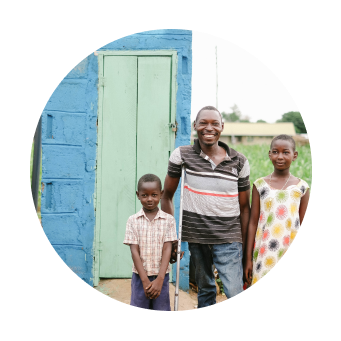
Diarrheal disease causes more deaths in children under five than malaria, tuberculosis and HIV combined. With your support, we’re taking on this global crisis by building markets for affordable toilets, clean water and hand-hygiene products.
Innovate
Established in 2021, the Paul Polak Innovation Fund helps nurture and grow iDE’s proud culture of innovation. The fund aims to unlock new opportunities with the potential for scale and impact. Awardees within iDE’s country staff (of 1,200) are provided with startup money and the space to test entrepreneurial thinking.